

Few sneakers carry the cultural weight of the Nike Air Max 1. Since it first touched down on 26 March, 1987, this silhouette has woven itself into the fabric of global street culture from the acid house dancefloors of Manchester to the sneaker boutiques of Tokyo and Amsterdam. It remains one of the most recognisable shoes ever made, and the story behind it is every bit as compelling as the shoe itself.
A Trip to Paris That Changed Everything
To understand the Air Max 1, you need to understand the man behind it. Tinker Hatfield joined Nike in 1981, originally hired as a corporate architect to design buildings on the brand’s Oregon campus. It wasn’t until 1985 that he transitioned into footwear, and when he did, he brought his architectural instincts with him.
Nike had a problem. The brand had developed its Air cushioning technology years earlier – originally conceived by former NASA engineer Frank Rudy and introduced in the Air Tailwind in 1978 – but no one had figured out how to show it off. The technology was hidden inside the sole, invisible to the wearer and the world. Making it visible felt structurally risky; many inside Nike feared the transparent display would look weak.
Then came Paris.
Nike sent Hatfield to the French capital for design inspiration, and while the city’s gilded boulevards made an impression, it was a radically different building that stopped him in his tracks: the Centre Georges Pompidou. A structure unlike anything else in Paris, the Pompidou is essentially built inside-out – its heating ducts, escalators, and structural elements are all on the exterior, painted in bright colours for the world to see.
For Hatfield, the centre was a revelation. He returned to Nike headquarters and began sketching a shoe that applied the same logic, cutting away part of the midsole to expose the Air bag inside.
The idea was met with fierce resistance. In Abstract: The Art of Design, Hatfield recalled: “It was widely discussed that I had pushed it too far. People were trying to get us fired.” Fortunately, with the backing of Nike’s Director of Cushioning Innovation, David Forland, the design survived and the Air Max 1 was born.
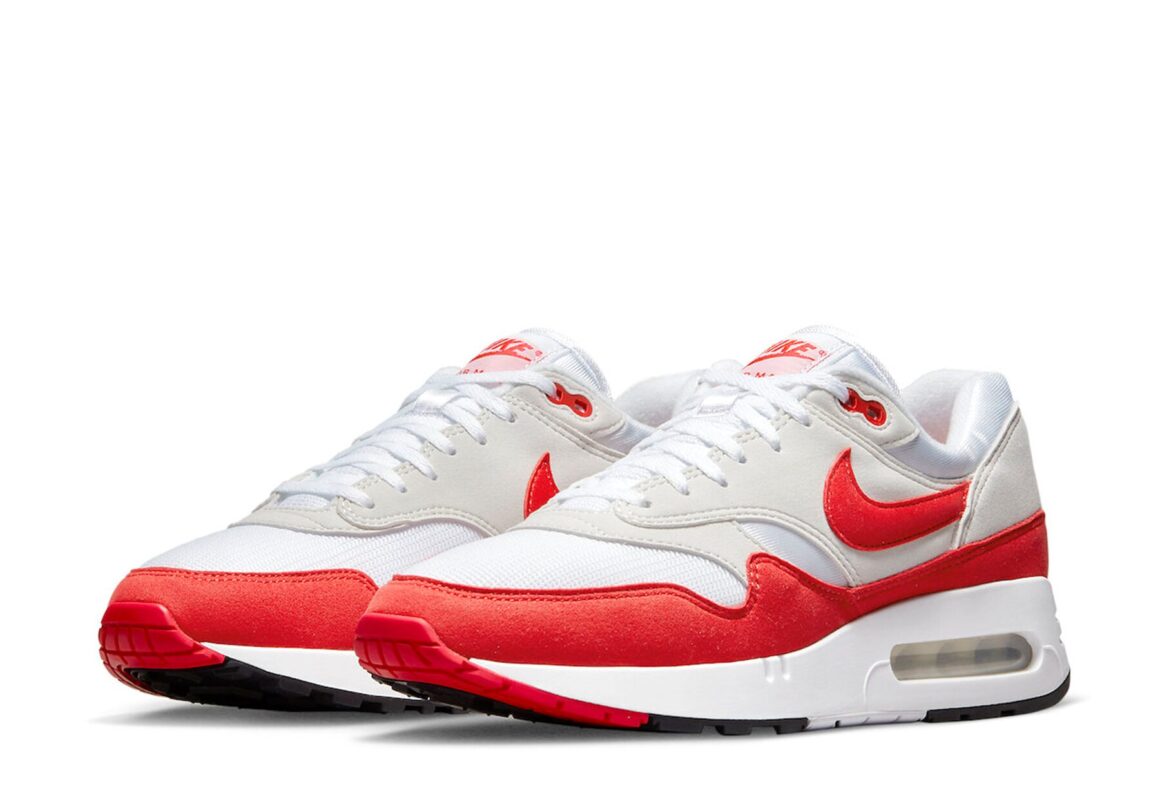
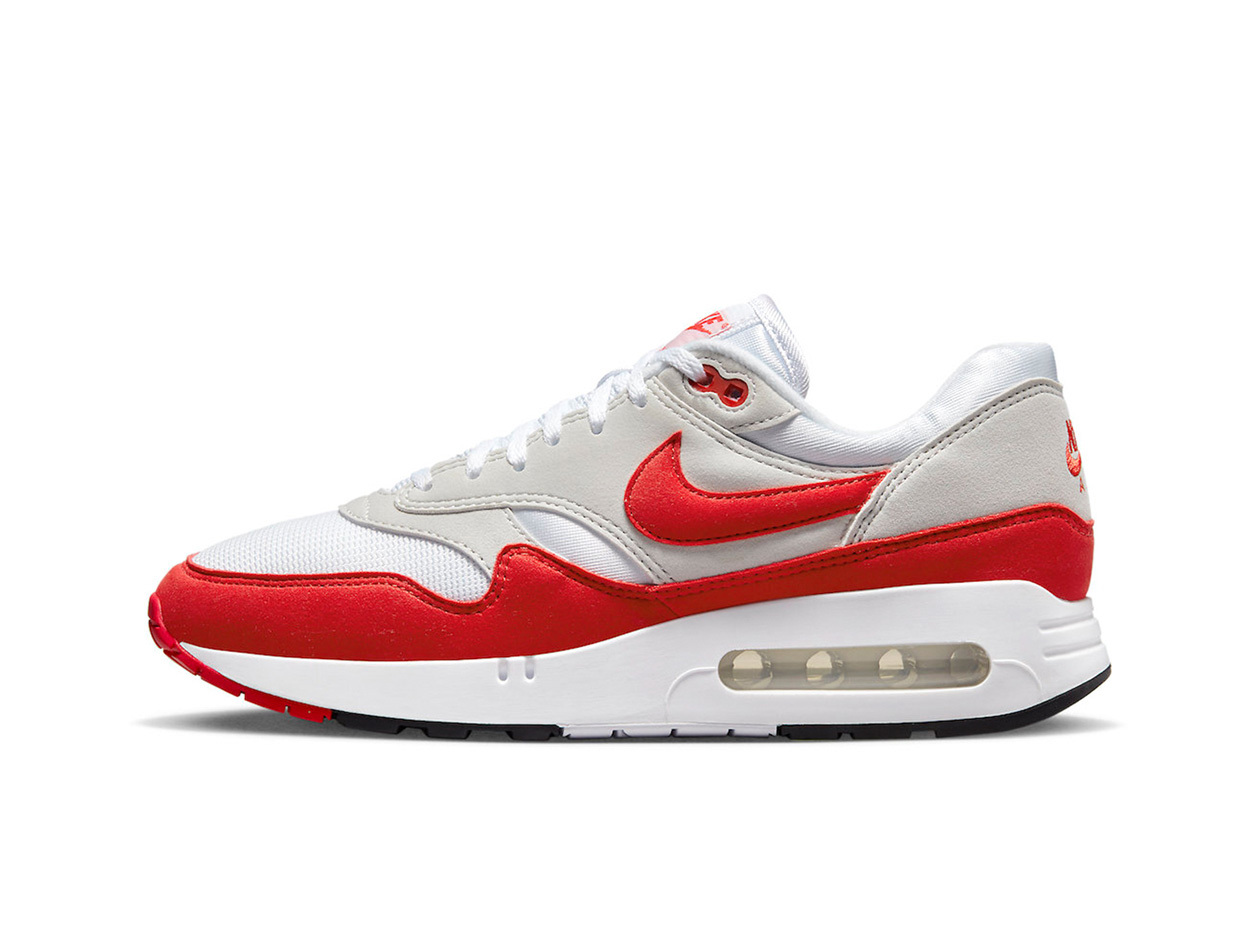
The original colourway – a clean combination of white and Sport Red – remains iconic. Clean, bold, and immediately recognisable, it set the template for everything that followed.
Built for the Track, Adopted by the Streets
The Air Max 1 launched as part of Nike’s Air Pack alongside the Air Trainer 1, Air Sock, Air Revolution, and Air Safari. It was a running shoe at heart, built around visible cushioning that genuinely worked. But its cultural journey was never going to stay on the track.
Air Max culture spread fast and wide. In the UK, the shoe – and the Air Max line that followed – became deeply intertwined with the acid house movement that swept the country from 1988 onwards. Ravers, drawn to the comfort and vibrant colourways, adopted it as their unofficial uniform. The same story played out across Europe, where gabber culture in the Netherlands and the underground club scenes of Germany and Italy each found their own connection to the Air Max silhouette.
In hip-hop, the Air Max 1 found an equally passionate audience. Amsterdam, in particular, became a city whose sneaker scene became inseparable from the Air Max 1, a fact that would eventually shape some of the shoe’s most celebrated collaborations.
The Collabs
No shoe has inspired more coveted collaborations than the Air Max 1. A handful stand out as genuine landmark releases.
Parra x Nike Air Max 1 ‘Amsterdam’
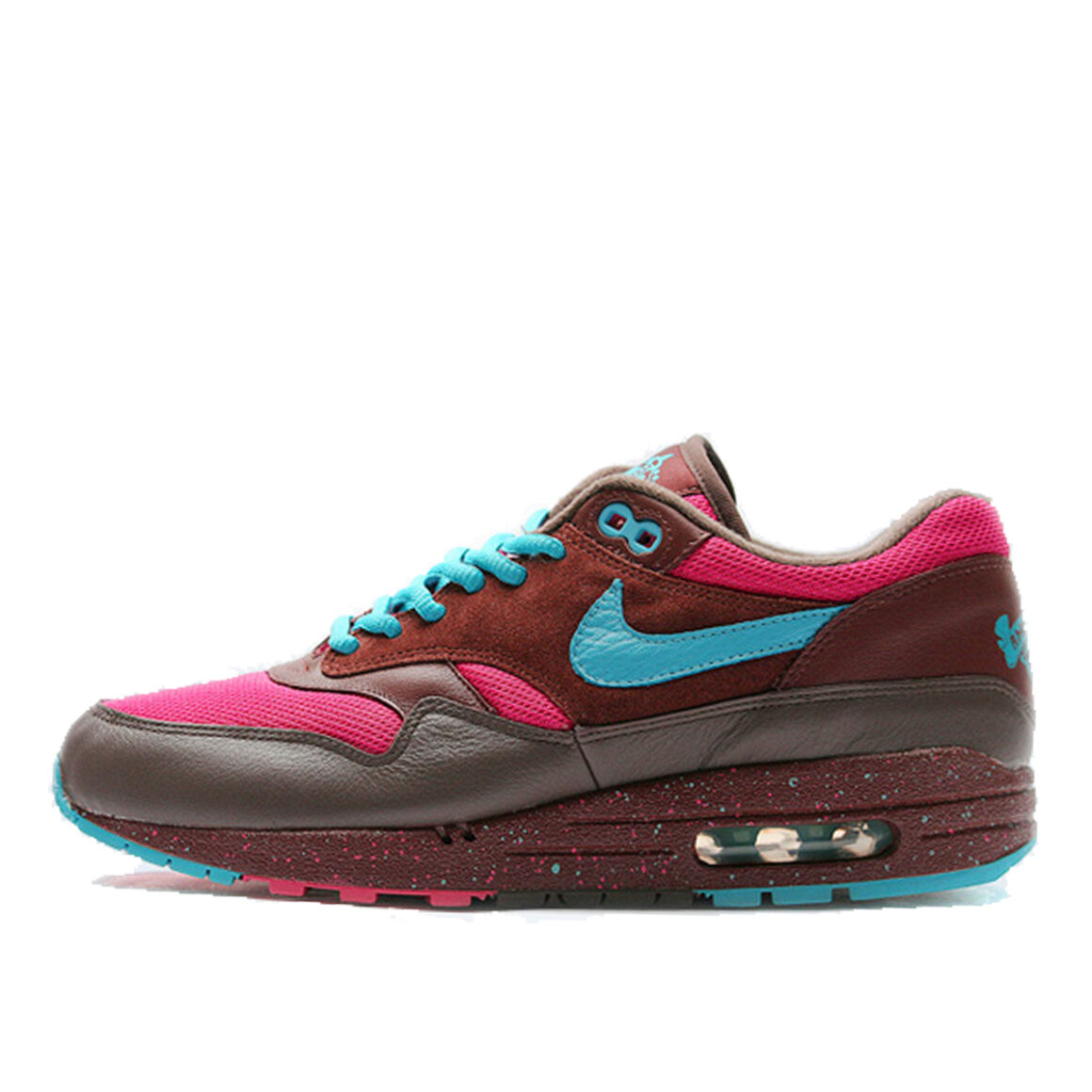
Dutch artist Piet Parra’s first Air Max 1 collaboration has been in the sneaker hall of fame since it dropped in 2005. Its intricate artwork and limited availability made it one of the most sought-after Air Max 1s ever produced, with resale prices that reflect its grail status to this day.
Patta x Nike Air Max 1 Five-Pack
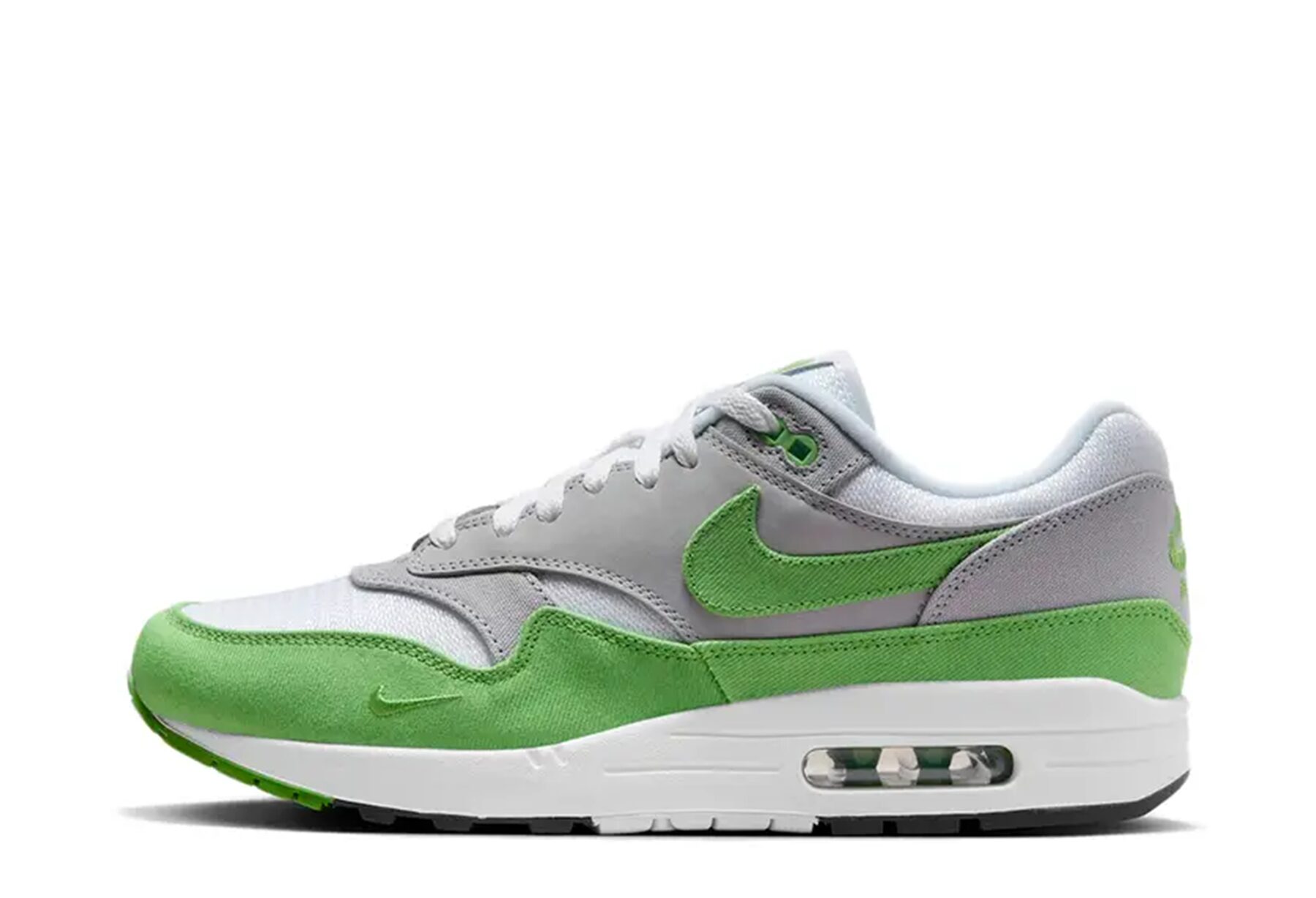
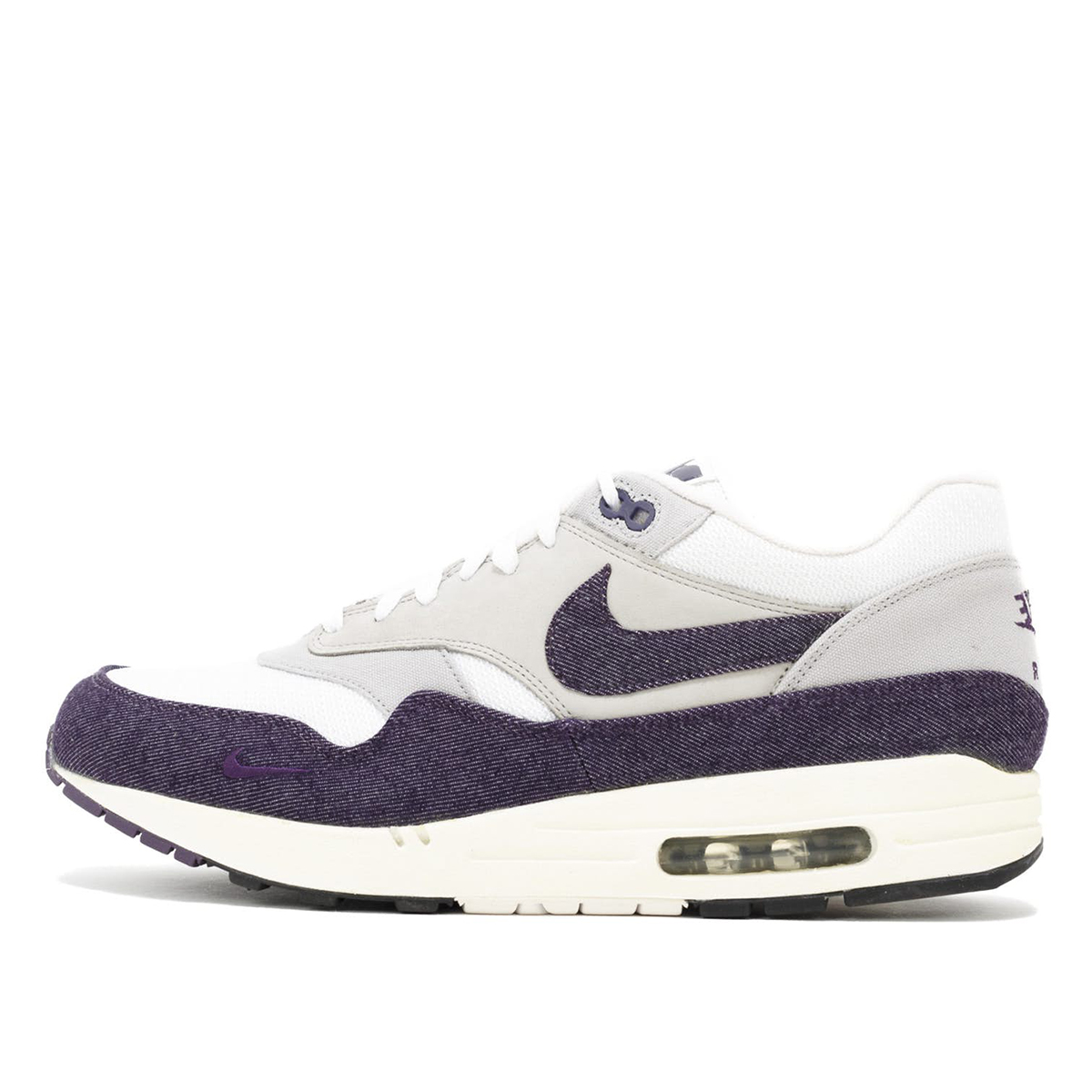
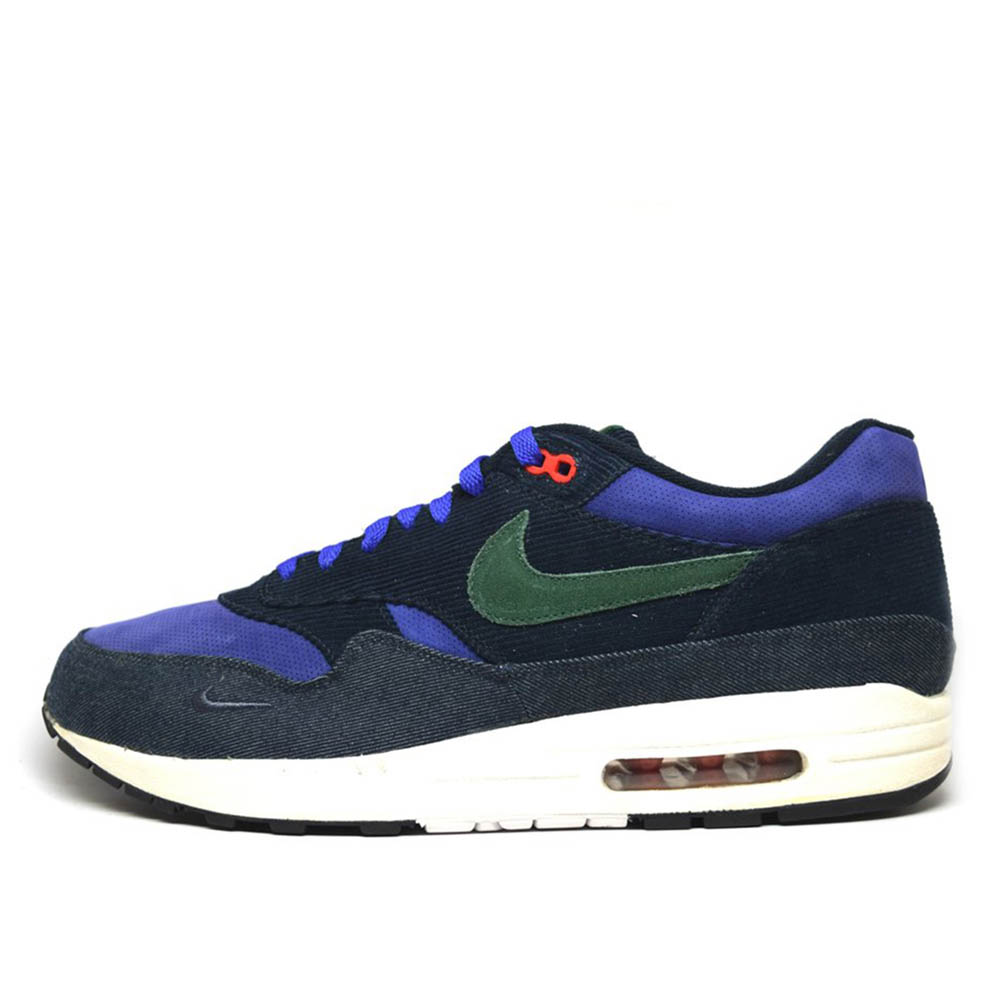
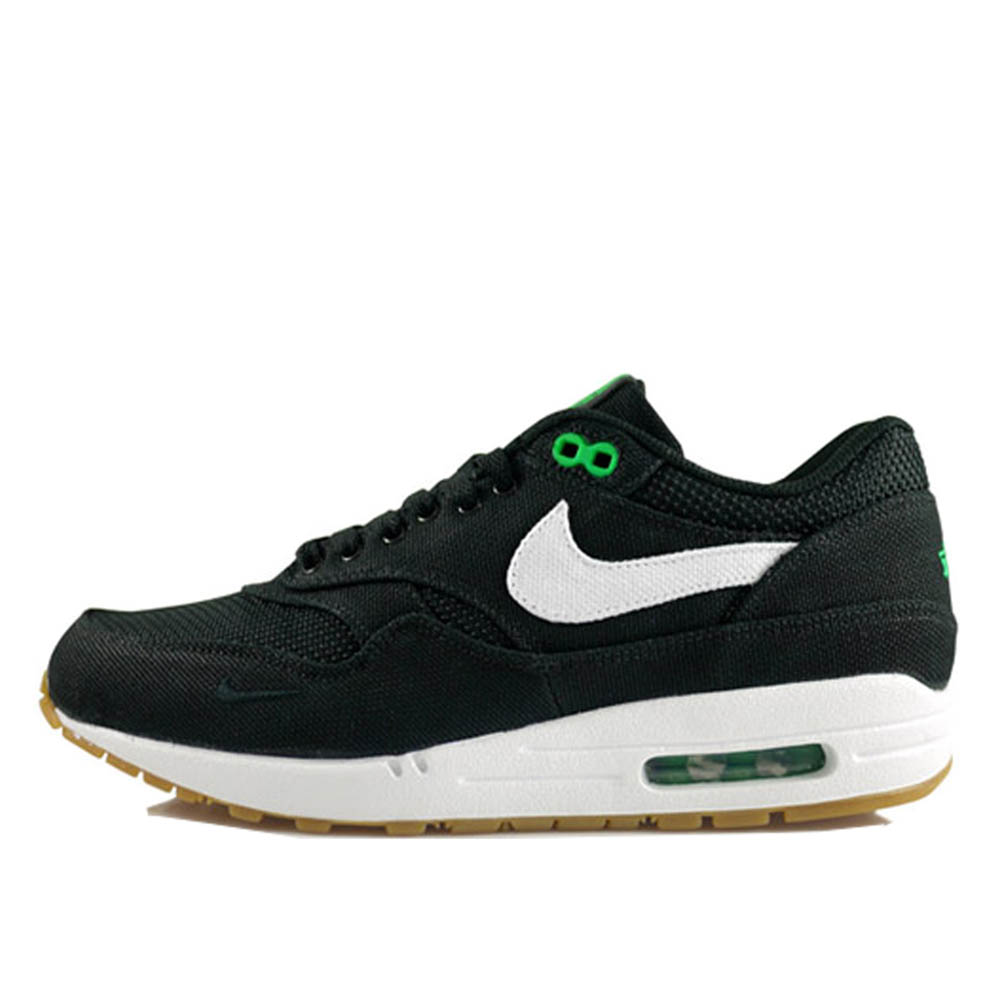
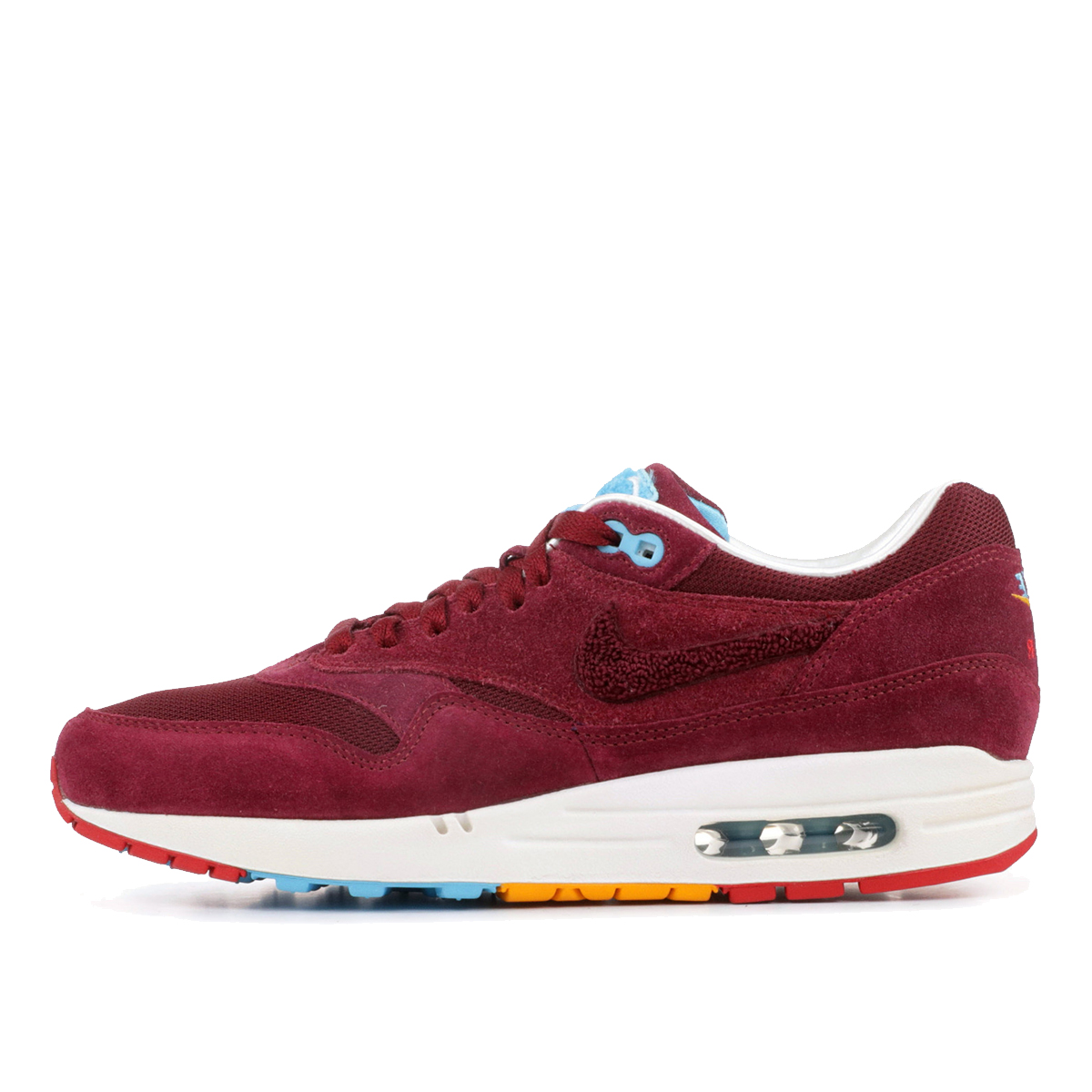
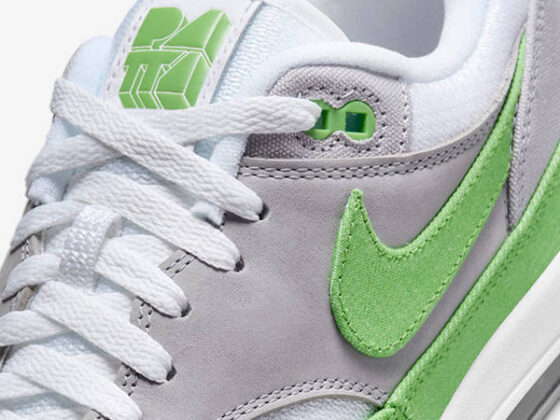
Amsterdam-based streetwear brand Patta dropped a five-pack of Air Max 1s to celebrate their fifth anniversary, and the result was nothing short of legendary. The pack included the ‘Purple Denim,’ ‘Denim Corduroy,’ ‘Lucky Green,’ and the uber-limited ‘Cherrywood’ – a joint project with Piet Parra limited to just 258 pairs. But it’s the ‘Chlorophyll’ colourway that may have resonated most deeply. Rich, verdant green – Patta’s house colour – the original pairs now command more than $1,000 on resale platforms. The ‘Chlorophyll’ was also reissued in 2024 for Patta’s 20th anniversary.
Atmos x Nike Air Max 1 ‘Elephant’
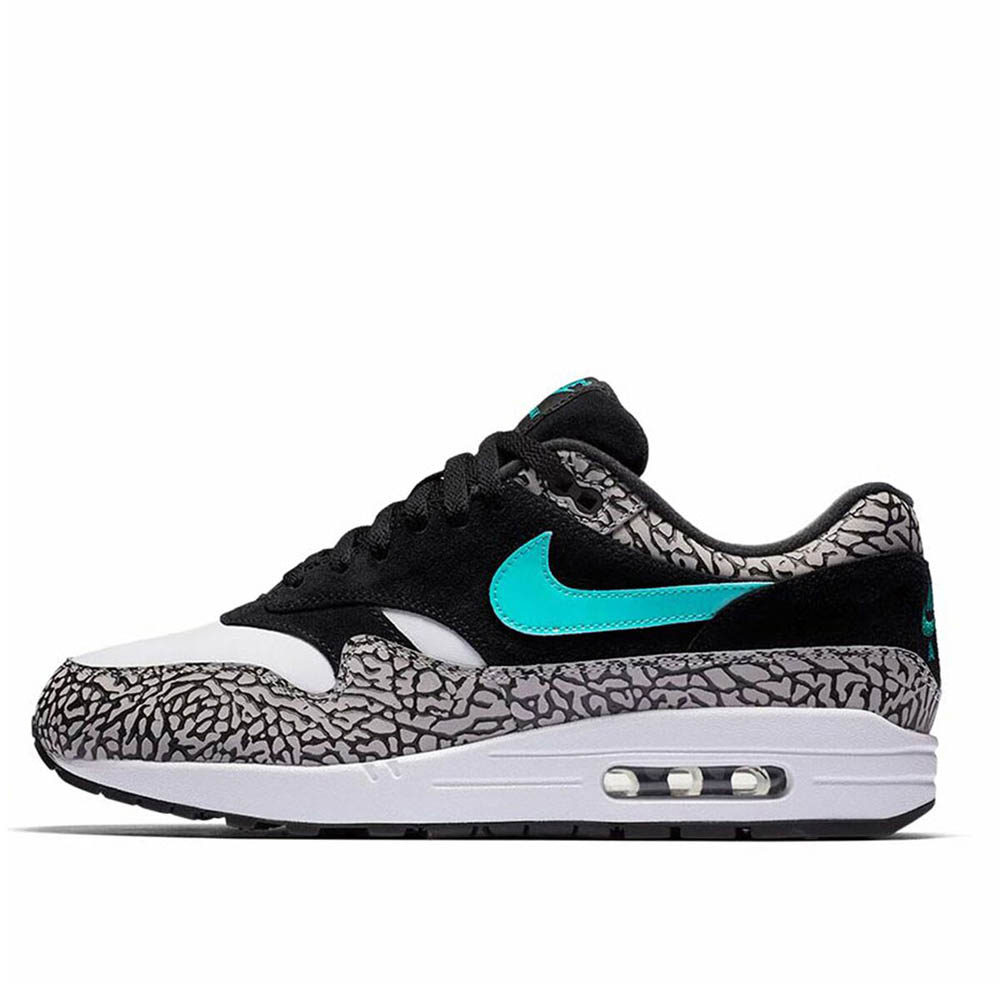
Tokyo-based boutique atmos has long been one of the Air Max 1’s most important collaborators. Their 2007 release – inspired by the exotic animal prints Hirofumi Kojima and the Nike Japan team wanted to bring to the market – became an instant classic. A 2017 follow-up, the ‘Elephant’ colourway, drew inspiration from the elephant print of the Air Jordan 3 and continued the safari theme. Both releases remain among the most referenced Air Max 1 collaborations in sneaker culture.
Nike Air Max 1 ‘Centre Pompidou By Day/By Night’
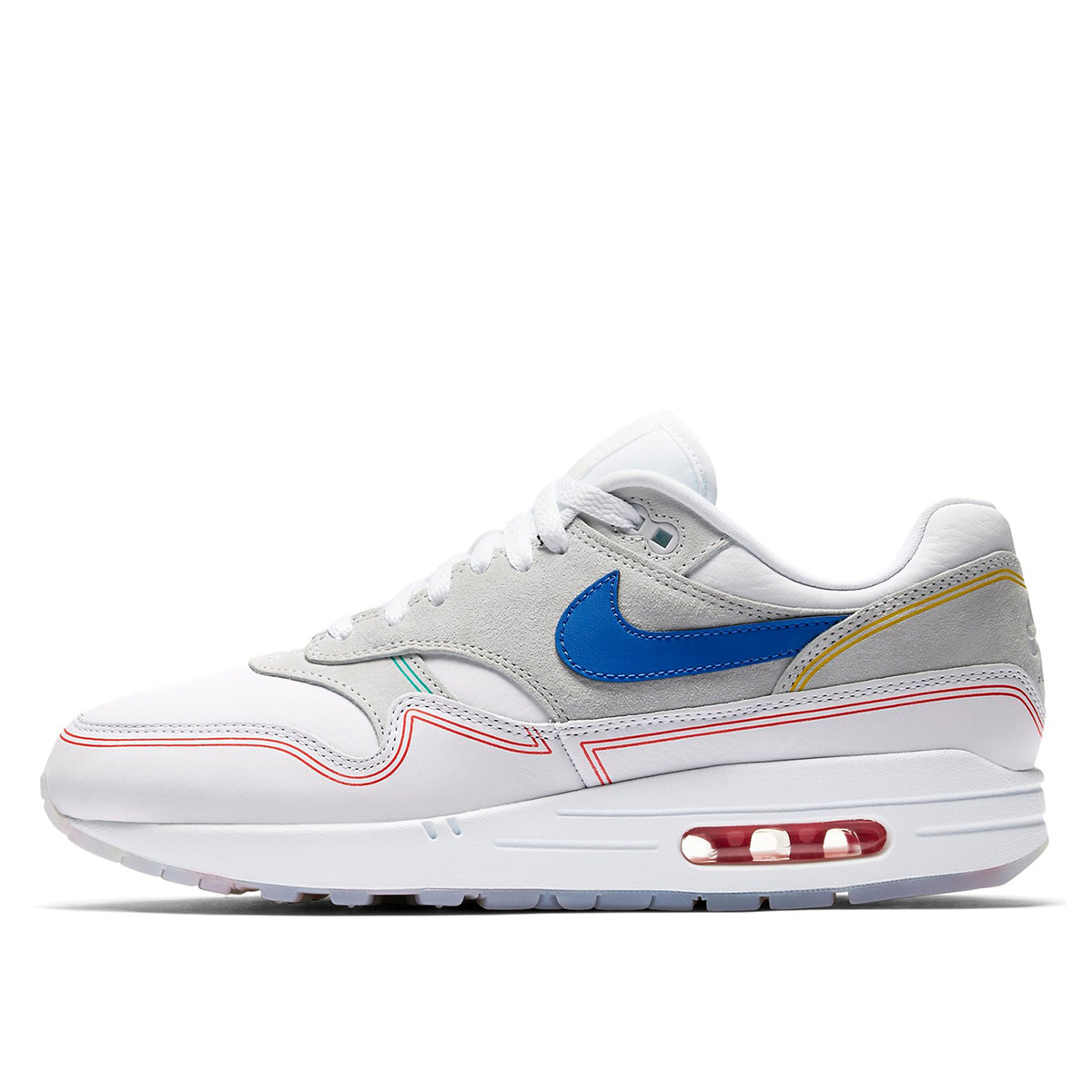
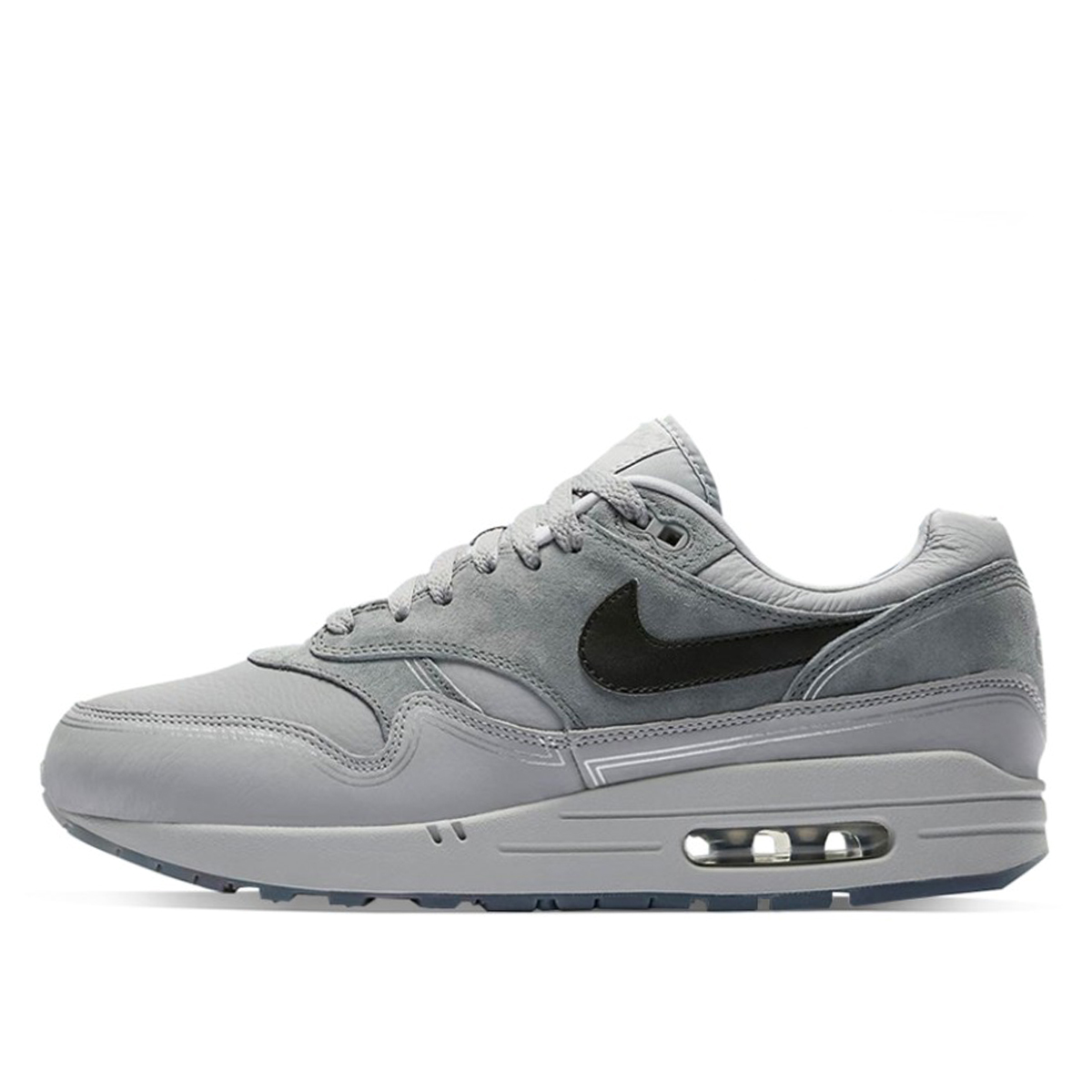
Nike eventually paid direct tribute to the building that started it all. The two ‘Centre Pompidou’ colourways – a Day version and a Night version – cast a well-deserved spotlight on the Parisian landmark that gave Hatfield his big idea. A fitting full-circle moment for one of the most origin-driven designs in sneaker history.
The Legacy
The Air Max 1 has been retroed, recoloured, and reimagined dozens of times over the past four decades, yet it never feels tired. That speaks to something fundamental about the original design. Its proportions are right, its silhouette is balanced, and the exposed Air window remains as visually satisfying today as it was in 1987.
Part of its longevity also comes from the communities that have kept it alive. From independent sneaker boutiques in London to cultural institutions like Patta in Amsterdam, the Air Max 1 has always attracted people who care about more than just the product. It’s a shoe that carries meaning – about creativity, about risk-taking, about finding the extraordinary in the unexpected.
Thirty-eight years on from its debut, the Air Max 1 remains one of the few sneakers that can move effortlessly between a running track, a rave, a gallery opening, and a Supreme drop queue. That kind of cultural versatility doesn’t happen by accident. It happens when a design is built with genuine conviction – when someone is willing to risk getting fired to show the world something it’s never seen before. That’s the Air Max 1.
Check out the full range of Air Max 1s available on KLEKT