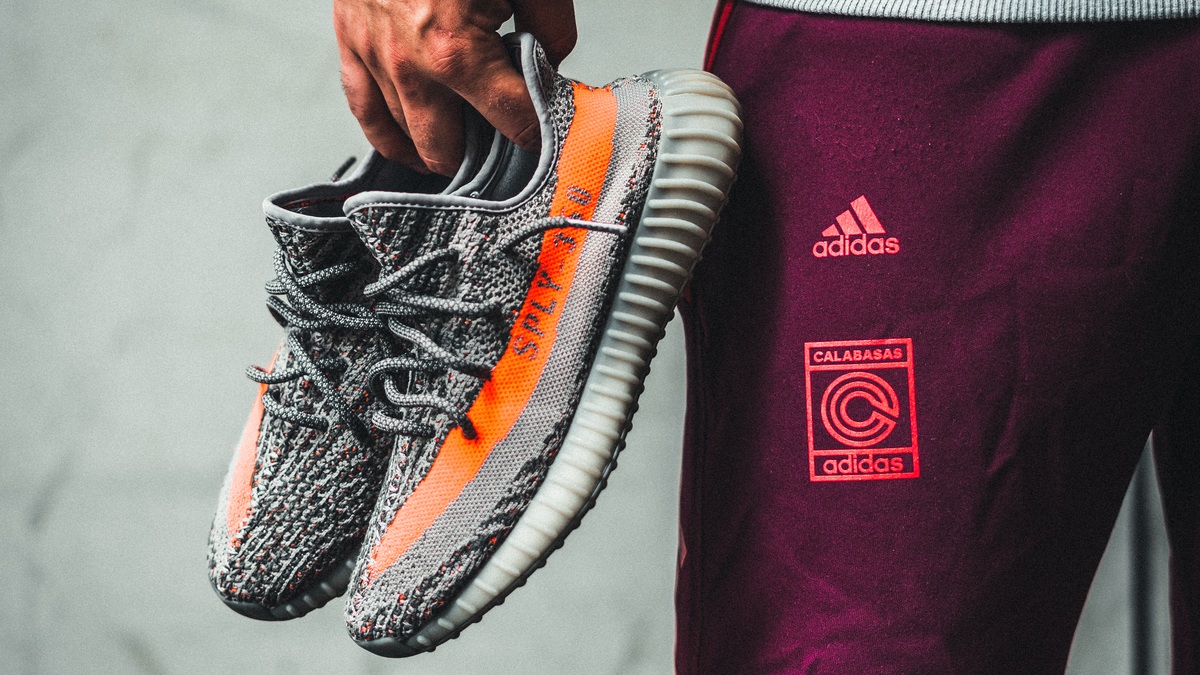
For almost eight years, a Yeezy release date was something people planned their week around. Raffles, queues, bots, resale prices that moved by the hour. Most of that energy is gone now, but the shoes are still here, and several of them changed what the rest of the industry made.
Here is the adidas Yeezy timeline, from the 750 in 2015 to the Foam Runner, and which of the key pairs you can still find on KLEKT.
2015, The Yeezy Boost 750
The Yeezy Boost 750 arrived on Valentine's Day 2015, during NBA All-Star Weekend. It was a high-top in light brown suede with a strap across the midfoot and a full-length Boost midsole hidden under a gum outsole. Next to the performance sneakers of the time, it looked closer to a fashion boot.
The 750 set the pattern for almost every Yeezy that followed: small quantities, enormous demand and a conversation that reached well beyond sneaker forums. It also made clear that this partnership was meant to be a design project, not a signature shoe with a famous name on the box.
You can browse the remaining Yeezy Boost 750 pairs on KLEKT.
2015 to 2016, The 350 Era
If the 750 introduced the project, the Yeezy Boost 350 made it global. The low-top had a Primeknit upper that fitted like a sock over a full-length Boost midsole, and the first colourways, Turtle Dove, Pirate Black, Moonrock and Oxford Tan, became the pairs that defined 2015.
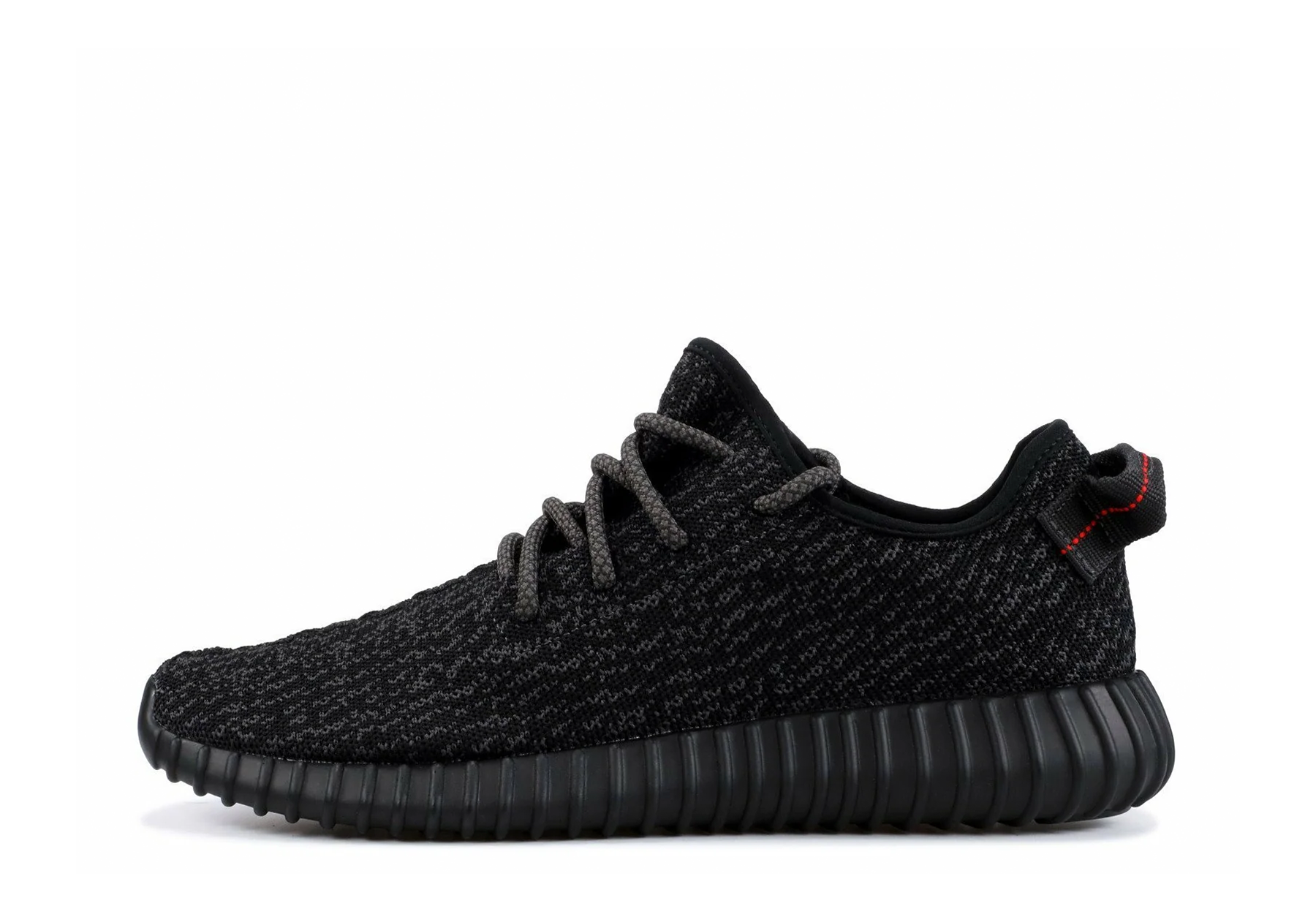
Shop the Yeezy Boost 350 'Pirate Black' on KLEKT
The 350 V2 followed in 2016 with a more structured upper and the SPLY-350 stripe across the side, one of the most recognised details of the decade. Over the next years it ran through dozens of colourways. The Yeezy Boost 350 V2 'Zebra' and the Yeezy Boost 350 V2 'Cream White', both from 2017, are still the two most people picture when they hear the name.
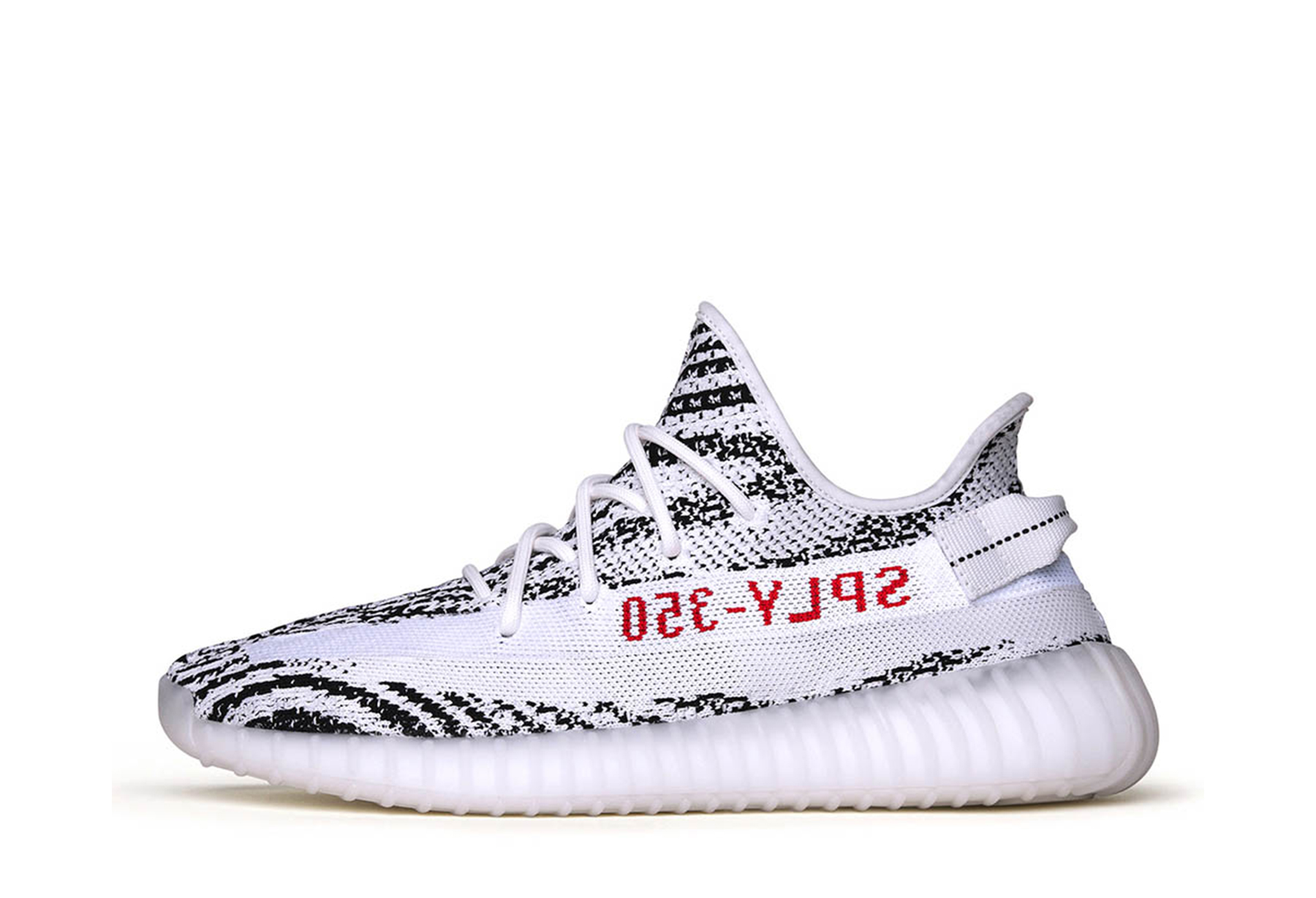
Shop the Yeezy Boost 350 V2 'Zebra' on KLEKT
2017, The Wave Runner and the Dad Shoe
The Yeezy Boost 700 'Wave Runner', developed with the veteran adidas designer Steven Smith, arrived in 2017 and went the opposite way to almost everything else on the shelf. Mesh, suede and leather in grey, teal and orange, with neon laces and a chunky Boost sole. On paper it should not have worked.
In practice it helped start a trend. The 700 is widely credited with pushing chunky, retro running shoes back into fashion, a direction much of the industry followed over the next few years. It showed that the Yeezy line could lead rather than react.
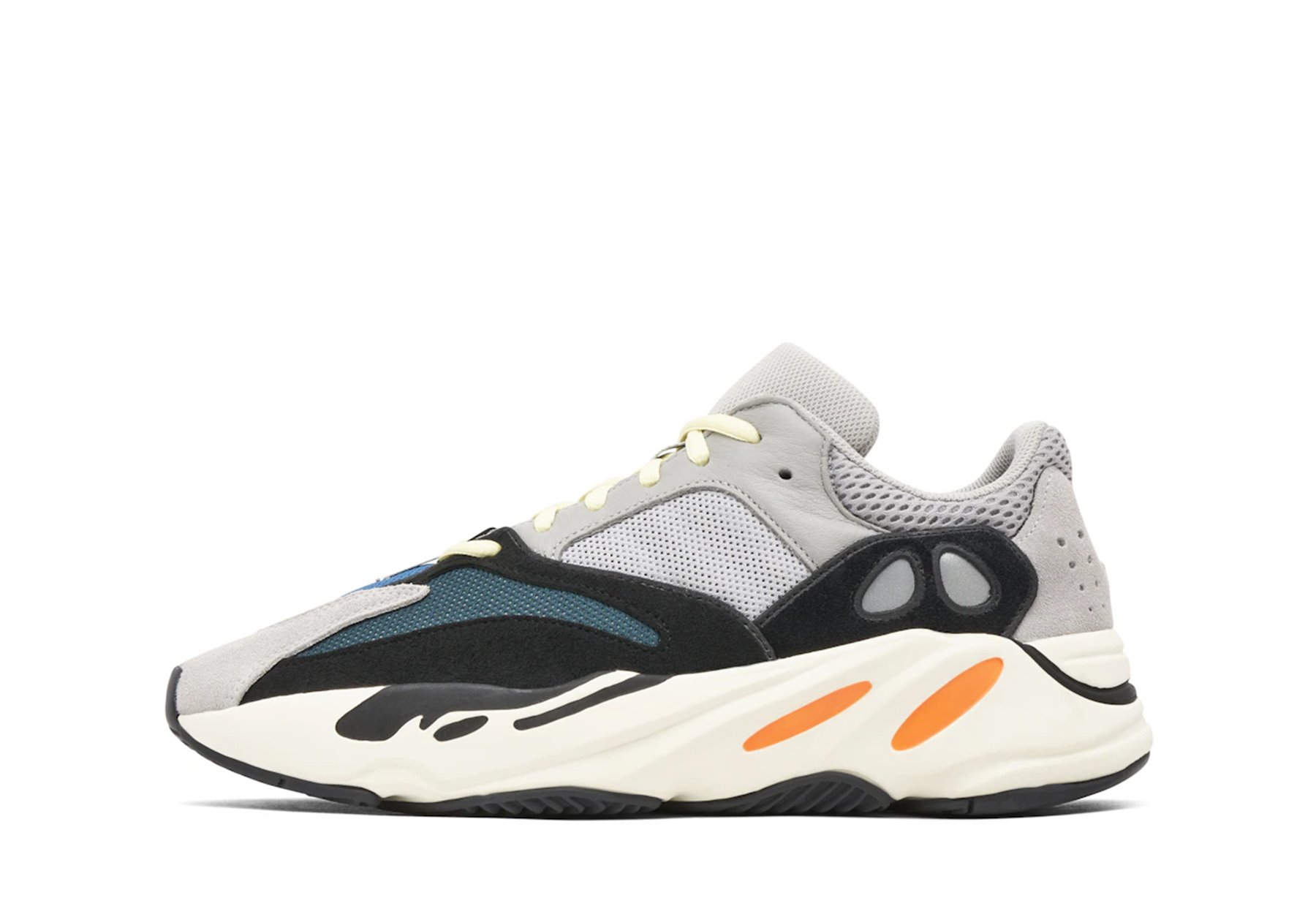
Shop the Yeezy Boost 700 'Wave Runner' on KLEKT
2019 to 2020, Slides and Foam Runners
As the line matured it moved beyond sneakers. The Yeezy Slide was a single moulded foam sandal with no laces, no overlays and almost no branding. It was one of the cheapest products in the range and still sold out on almost every restock.

Shop the Yeezy Slide 'Bone' on KLEKT
The Foam Runner went further. It is a single piece of injected foam, partly made with harvested algae, covered in cut-outs and shaped more like a sculpture than a shoe. Opinion split immediately. Either way, it sold out and it is still the most experimental shape the line produced. The full range of Yeezy Slides and Yeezy Foam Runners is on KLEKT.
The adidas Yeezy Legacy
Few sneaker partnerships changed the way the industry thinks about design, materials and release strategy as much as this one. The 750, the 350, the Wave Runner and the Foam Runner each pushed competitors to respond.
adidas ended the partnership in 2022 and released the remaining stock in drops through 2023 and 2024. That is why several of the classic colourways, including the Pirate Black, now carry more than one release year.
Whatever happens to the name, the shoes have already earned their place. The full adidas Yeezy range on KLEKT covers every era, from the 350 to the Slides.
Check out the adidas Yeezy collection on KLEKT.
Images: adidas / KLEKT