The Birth of Visible Air
Before 1987, cushioning was something you felt but never saw. Nike had been working with pressurised Air units since the late seventies, but the technology stayed hidden beneath layers of foam and rubber. That changed when Tinker Hatfield, a former pole vaulter turned Nike designer, was handed the brief for the next generation of Air.
The Air Max 1 arrived in 1987 as the first shoe with a visible Air unit in the midsole. A small window cut into the heel let wearers see the technology that cushioned every stride. It was a radical idea at a time when the industry kept its engineering hidden. For Hatfield, visibility was proof: for the first time, people could see exactly what they were paying for.
Updated October 2026
The Centre Pompidou Connection
The origin of visible Air reads like an architecture lecture. On a trip to Paris, Hatfield visited the Centre Pompidou, designed by Renzo Piano and Richard Rogers. The building's inside-out structure, with colour-coded pipes, ducts and escalators on the outside, made a lasting impression. Where most buildings hide their mechanics, the Pompidou puts them on display.
Hatfield saw the parallel straight away. If a building could show off its working parts, a shoe could too. That idea of transparency has defined the Air Max line ever since.
The Rise of Air Max Day
For years, the anniversary of the Air Max 1 passed without official recognition. Sneaker communities marked it on forums and social media, but there was no event. That changed in 2014, when Nike made 26 March Air Max Day, the date most closely tied to the Air Max 1's original release.
It was less a marketing decision than a response to what fans were already doing. Nike gave that energy a name and a platform, and Air Max Day became the yearly moment to celebrate the line, drop special releases and involve the community, most famously through vote-in campaigns that let fans decide what went into production.
Air Max Day Releases Through the Years
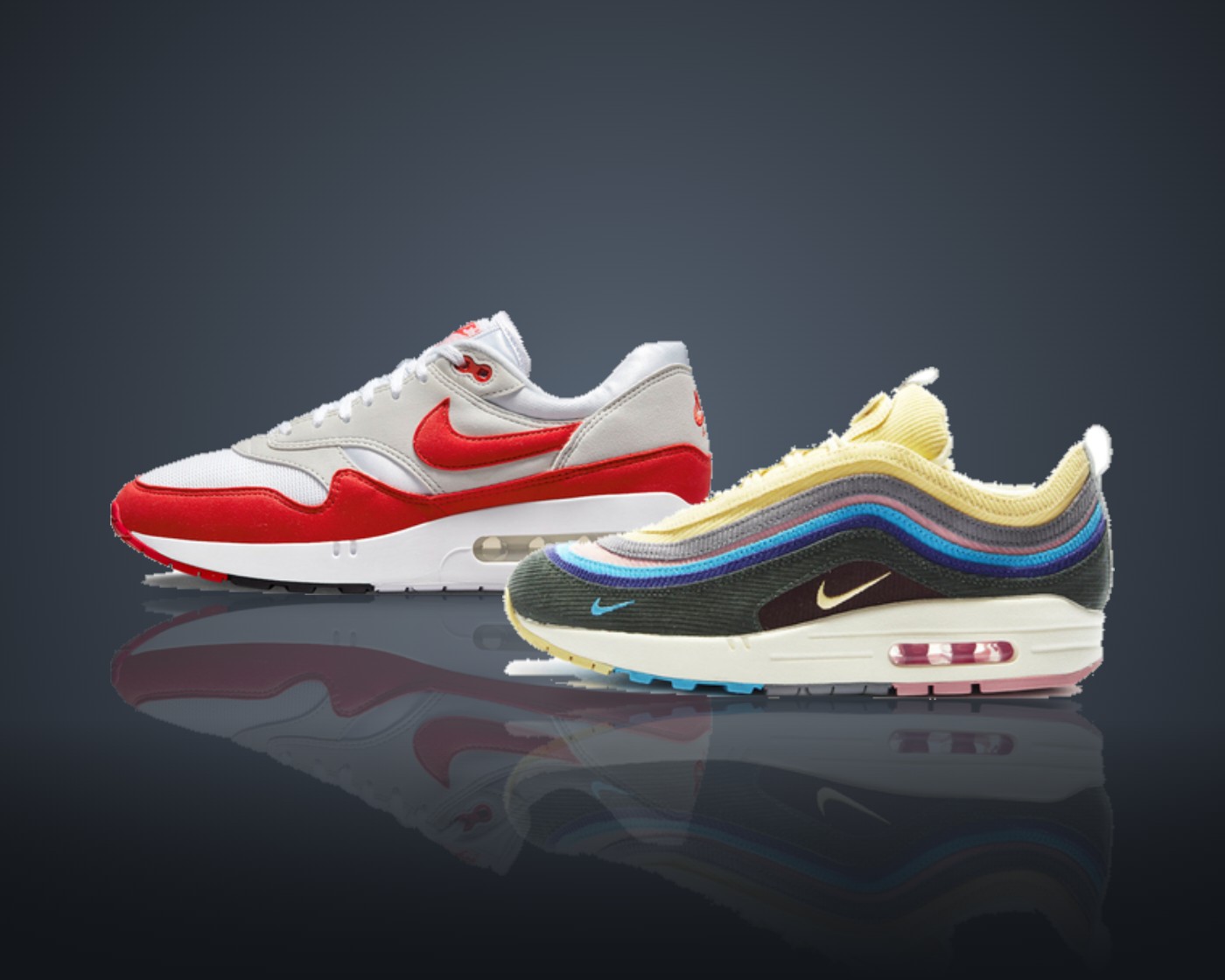
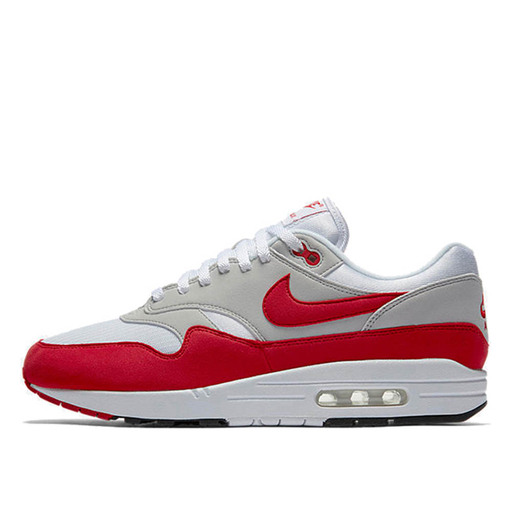
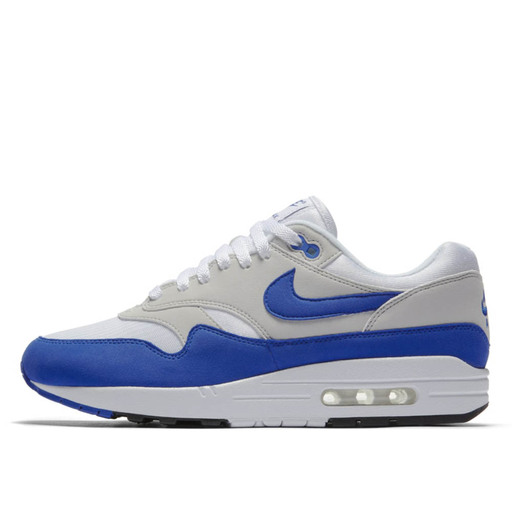
2017, 30 years of Air Max. For the 30th anniversary, Nike brought the Air Max 1 back in its original shape and colours with the Nike Air Max 1 OG Anniversary Red (2017) and the Nike Air Max 1 OG Anniversary Blue (2017). For many collectors, they are still among the best Air Max 1 retros made.
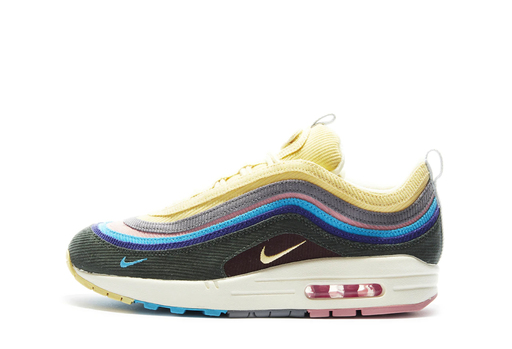
2018, Sean Wotherspoon. The Nike x Sean Wotherspoon Air Max 97/1 is the release most people connect with Air Max Day. Voted in by the community through Nike's design competition, it combined an Air Max 97 upper and an Air Max 1 sole in multicoloured corduroy. Community-driven, creative and unafraid to break the rules, it is everything Air Max Day was meant to be.
| Nike Air Max 1 OG Anniversary Red (2017) | Nike Air Max 1 OG Anniversary Blue (2017) |
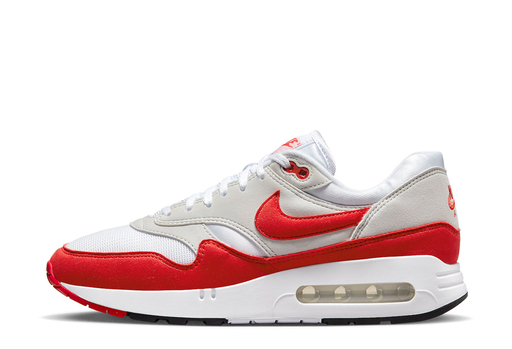
| Nike x Sean Wotherspoon Air Max 97/1 | Nike Air Max 1 '86 'Big Bubble Sport Red' (2023) |
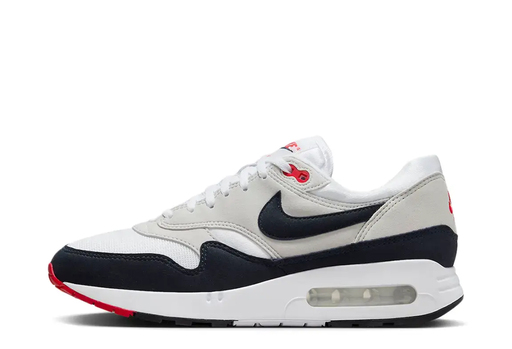
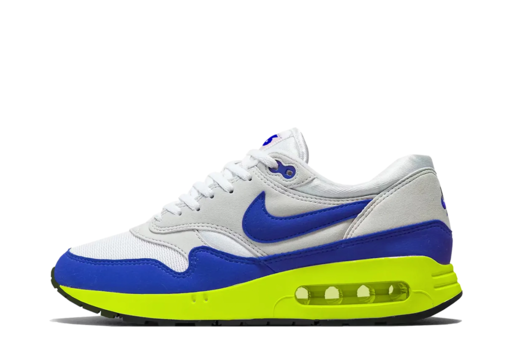
2023, the Big Bubble. For Air Max Day 2023, Nike went back to the original design with the Nike Air Max 1 '86 'Big Bubble Sport Red' (2023), bringing back the larger Air window that later releases had made smaller. The '86 shape has stayed in the line since, with pairs like the Nike Air Max 1 '86 OG 'Obsidian' (2023) and the Nike Air Max 1 '86 'Royal Air Max Day' (2024).
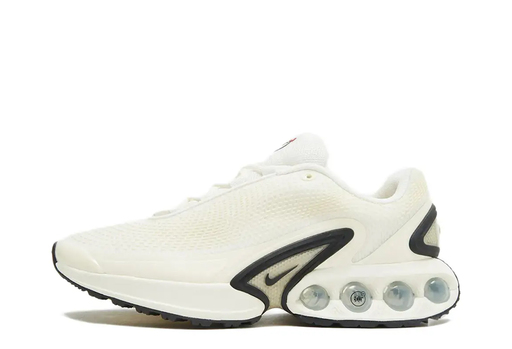
2024 onwards. Nike used the same season to push new Air too, with the Nike Air Max Dn 'Sail' (2024) introducing a new dual-chamber Air unit. The Big Bubble idea has since moved onto other models, including the Nike Air Max 95 OG Big Bubble 'Slate' (2026).
| Nike Air Max 1 '86 OG 'Obsidian' (2023) | Nike Air Max 1 '86 'Royal Air Max Day' (2024) |
| Nike Air Max Dn 'Sail' (2024) | Nike Air Max 95 OG Big Bubble 'Slate' (2026) |
The Air Max Family
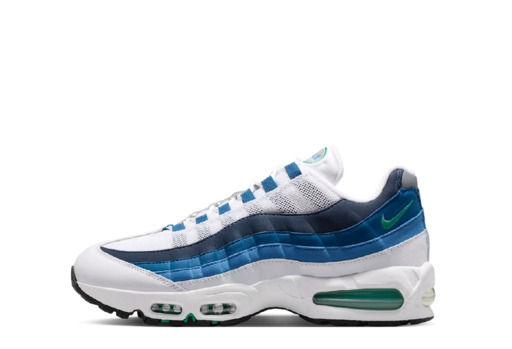
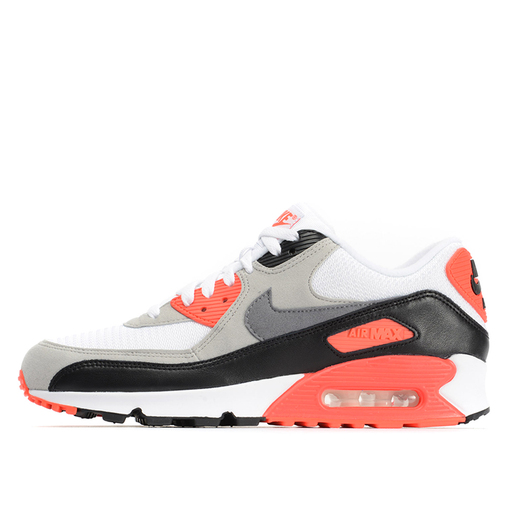
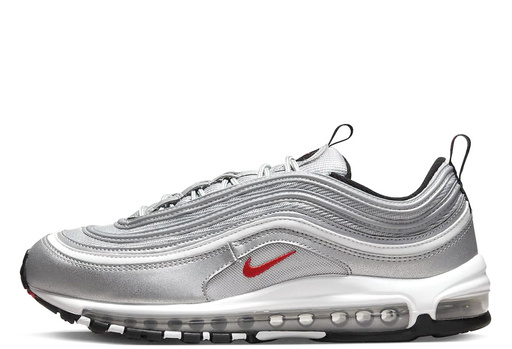
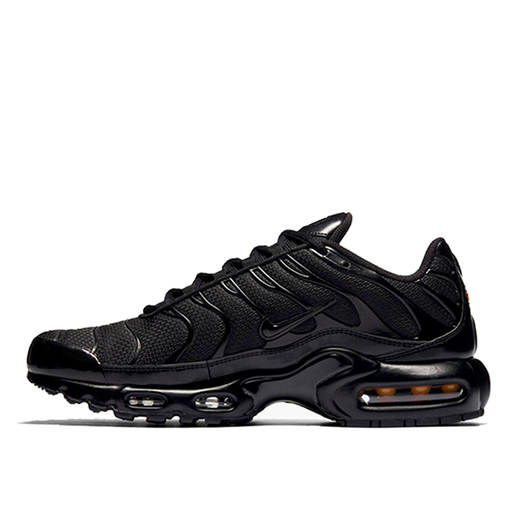
Air Max Day celebrates more than the Air Max 1. Every year it brings back the models that followed it, each one pushing visible Air a step further: the Nike Air Max 90 OG Infrared (2015), the Nike Air Max 95 OG Neon (2020) with Air in the forefoot for the first time, the full-length Air of the Nike Air Max 97 Silver Bullet (2022) and the Tuned Air of the Nike Air Max Plus TN 'Triple Black'.
| Nike Air Max 90 OG Infrared (2015) | Nike Air Max 95 OG Neon (2020) |
| Nike Air Max 97 Silver Bullet (2022) | Nike Air Max Plus TN 'Triple Black' |

The Legacy of Air Max Day
Air Max Day has grown from a hashtag into one of the most important dates on the sneaker calendar. It belongs as much to the community as it does to Nike, which is rare for a brand holiday.
Its strength is that it looks both ways. It celebrates heritage, anchored by the Air Max 1 and an idea that started in a Paris museum, and it gives Nike a stage for new Air. Nearly four decades on, Tinker Hatfield's window in the heel is still opening new doors.
Browse every Air Max on KLEKT.
Images: Nike / KLEKT