

Once a staple of early-2000s motorsport style, the Puma Speedcat has made a serious comeback. With its slim profile, racing heritage, and undeniable Y2K appeal, the Speedcat is once again one of Puma’s most relevant silhouettes. Here’s everything you need to know about the Puma Speedcat, from its Formula 1 roots to its modern revival.
The History
The Puma Speedcat was originally introduced in 1999, born directly from the world of motorsport. Puma had long-standing ties to Formula 1, supplying fireproof racing boots to elite drivers throughout the ‘80s and ‘90s. These boots were designed with ultra-thin soles to maximise pedal feel, a key performance requirement in professional racing.
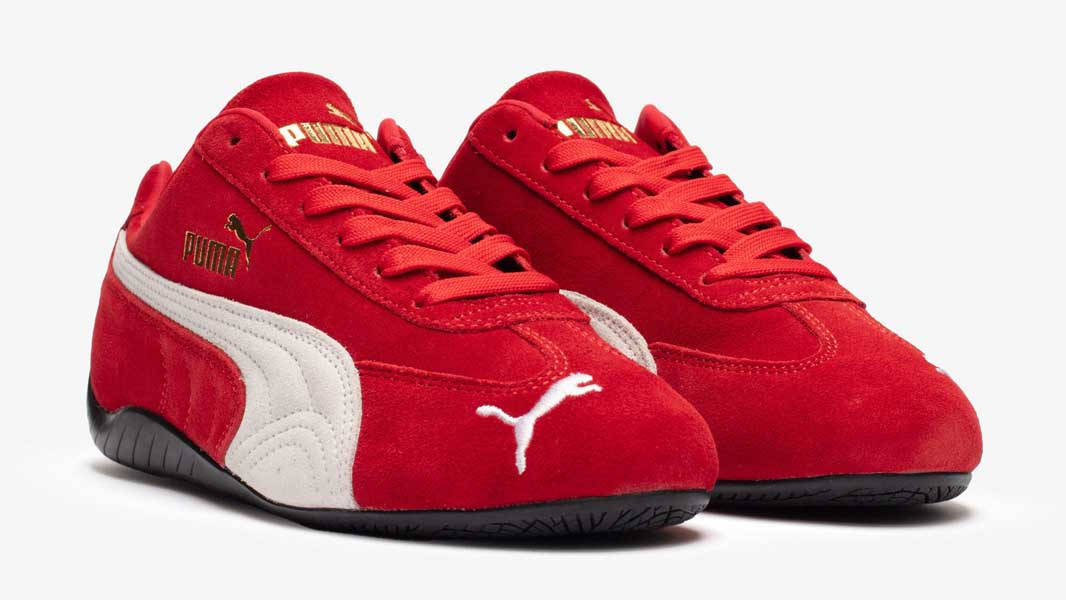
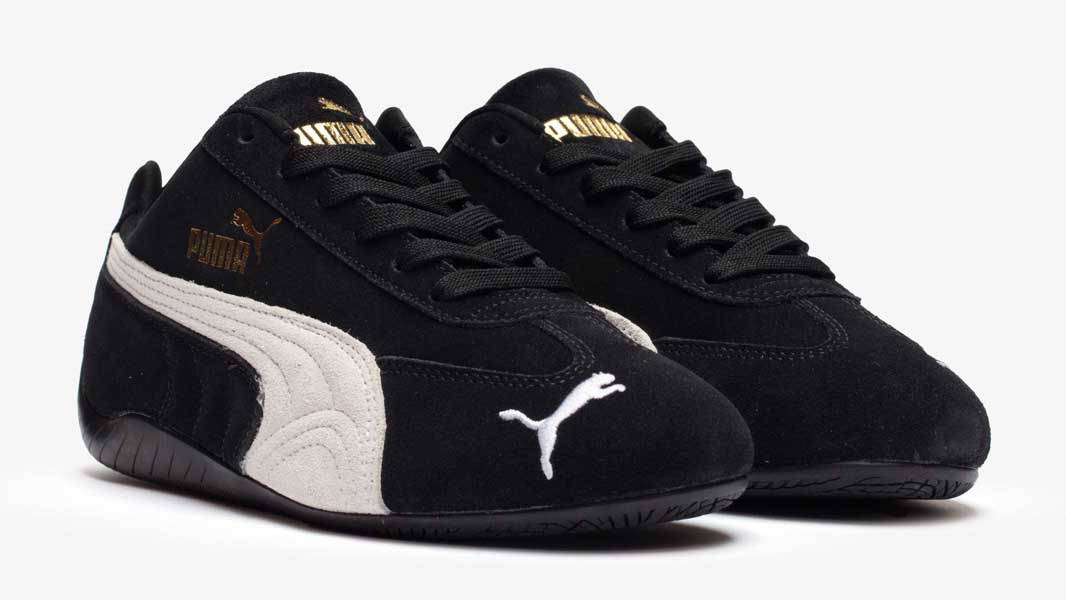
Puma took this concept and translated it into a lifestyle sneaker, resulting in the Speedcat. The shoe kept the defining elements of racing footwear: a low-profile silhouette, a rounded heel, and a slim tyre-inspired rubber sole that sat closer to the ground than most trainers on the market at the time. The upper was crafted from premium suede, finished with Puma’s iconic Formstrip.
Unlike chunky runners or basketball shoes, the Speedcat was all about precision and control. Its minimalist construction stood in stark contrast to the tech-heavy sneakers of the era, helping it carve out a unique lane in Puma’s catalogue.
Motorsport to Streetwear
While the Speedcat was designed with racing in mind, it didn’t take long for the silhouette to move beyond the track. In the early 2000s, motorsport aesthetics began bleeding into mainstream fashion. Formula 1 partnerships with teams like Ferrari, BMW, and Mercedes-AMG gave the Speedcat instant credibility, with team-branded colourways becoming a common sight both on the track and on the street.
This crossover coincided with a broader shift in sneaker culture. Slim, low-cut shoes like the Speedcat, adidas’ Kart models, and the Nike Air Rift offered an alternative to the oversized skate and basketball silhouettes dominating the era. The Speedcat quickly became a favourite across Europe, particularly in the UK and Germany, where terrace culture and casualwear embraced its sleek profile. By the mid-2000s, the Speedcat was everywhere, worn with bootcut jeans, track jackets, and racing-inspired fits that defined the Y2K look.
The Quiet Years
As sneaker trends shifted toward chunky runners and high-top retros in the late 2000s and 2010s, the Speedcat gradually faded from the spotlight. Puma continued to release motorsport footwear, but the original Speedcat silhouette took a back seat as bulkier styles and visible cushioning systems dominated the market.
Still, the Speedcat never fully disappeared. It remained a cult favourite among motorsport fans and Puma loyalists, quietly holding its place in the archives while fashion trends slowly began to cycle back.
The Revival
By the early 2020s, fashion’s obsession with Y2K aesthetics and slim silhouettes created the perfect conditions for the Speedcat’s return. As ballet flats, racing jackets, and low-profile trainers re-entered the mainstream, the Speedcat suddenly felt relevant again.
Puma reintroduced the model with faithful updates, keeping the suede upper, embroidered cat logo on the toe, and low, flexible sole intact. Classic colourways like black, red, and navy returned alongside bold motorsport-inspired releases tied to Puma’s ongoing Formula 1 partnerships. The Speedcat also benefited from a renewed interest in classic archival Puma models, sitting comfortably alongside the Mostro, King, and, of course, the Suede.
Now
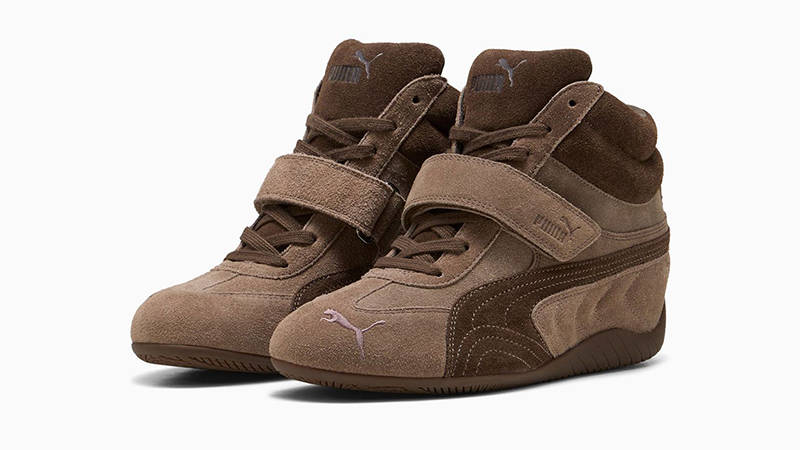
Today, the Puma Speedcat sits at the intersection of heritage performance and modern fashion. Its narrow shape and understated branding make it a perfect alternative to bulkier trainers, appealing to sneakerheads and fashion fans alike.
The silhouette has been embraced by stylists looking for something sleek and intentional, a shoe that works just as well with tailored trousers as it does with vintage denim. Much like the adidas Samba, the Speedcat thrives on its simplicity and cultural relevance rather than hype-driven releases.
With motorsport aesthetics continuing to influence streetwear and the demand for low-profile sneakers showing no signs of slowing down, the Speedcat’s comeback feels less like a trend and more like a pure full-circle moment. If you’re looking for a sneaker with genuine performance roots, a strong fashion legacy, and effortless wearability, the Puma Speedcat is back where it belongs.
Check out the range of Puma Speedcats available on KLEKT